E-COMMERCE MANAGEMENT COURSE
E-COMMERCE MANAGEMENT COURSE
The E-Commerce Management Course teaches strategies for setting up, running, and scaling online businesses. It covers website design, product listing, digital marketing, payment gateways, and customer service — equipping learners to manage successful e-commerce platforms. 🛒
Classes starting soon - Enroll Now!
*EMI Options Available

Job Assistance
Job Assistance
Program
6 Months
6 Months
Duration
Offline
Offline
Delivery Mode
English
English
Language
E-COMMERCE MANAGEMENT COURSE
E-COMMERCE MANAGEMENT COURSE
Start building your career by learning industry technologies, crafting real-world applications, and gaining hands-on experience to be a E-Commerce Management.
Industry Professional Led Sessions
Get guidance from qualified industry professionals.
Project Portfolio
Start building a job-ready profile with a dynamic project portfolio
Career Assistance
Prepare for interviews with guidance and opportunities to showcase skills
Dedicated Peer Network
Build connections with like-minded learners to exchange ideas and experiences.
Learn Industry Skills
Fast-track your upskilling journey with industry skills and personalized guidance
Certification
Attain your certificate upon course completion to showcase your capabilities.

Master these Tools






Build Projects from Scratch
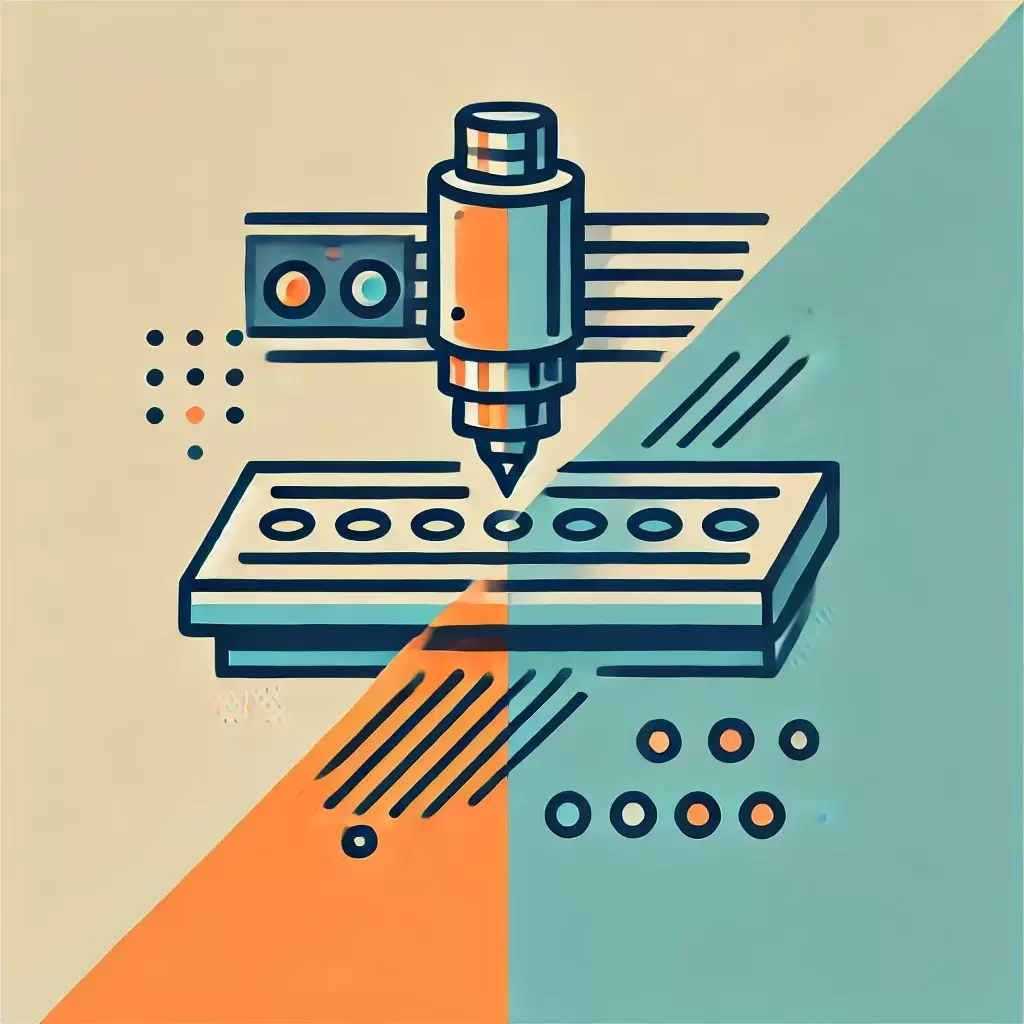
CNC Tool Path Optimization
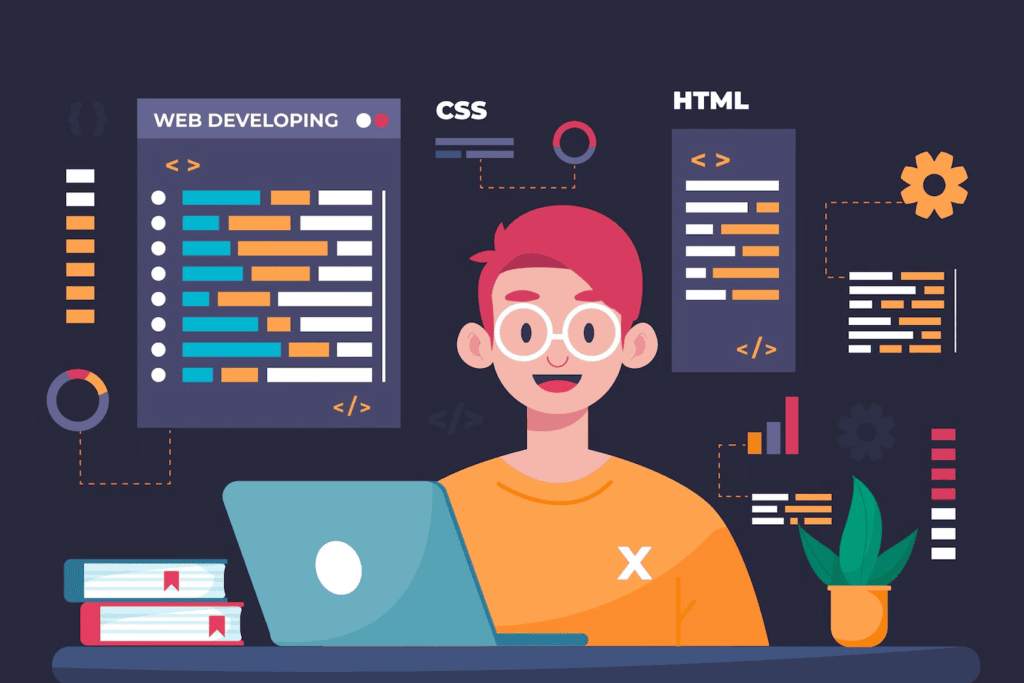
Embark on a hands-on learning journey with our 'Swiggy Homepage Clone' project ! In this exciting endeavor, students will delve into web development, honing their skills by recreating the iconic Swiggy homepage. Gain practical experience in frontend design, user interface optimization, and responsive web development
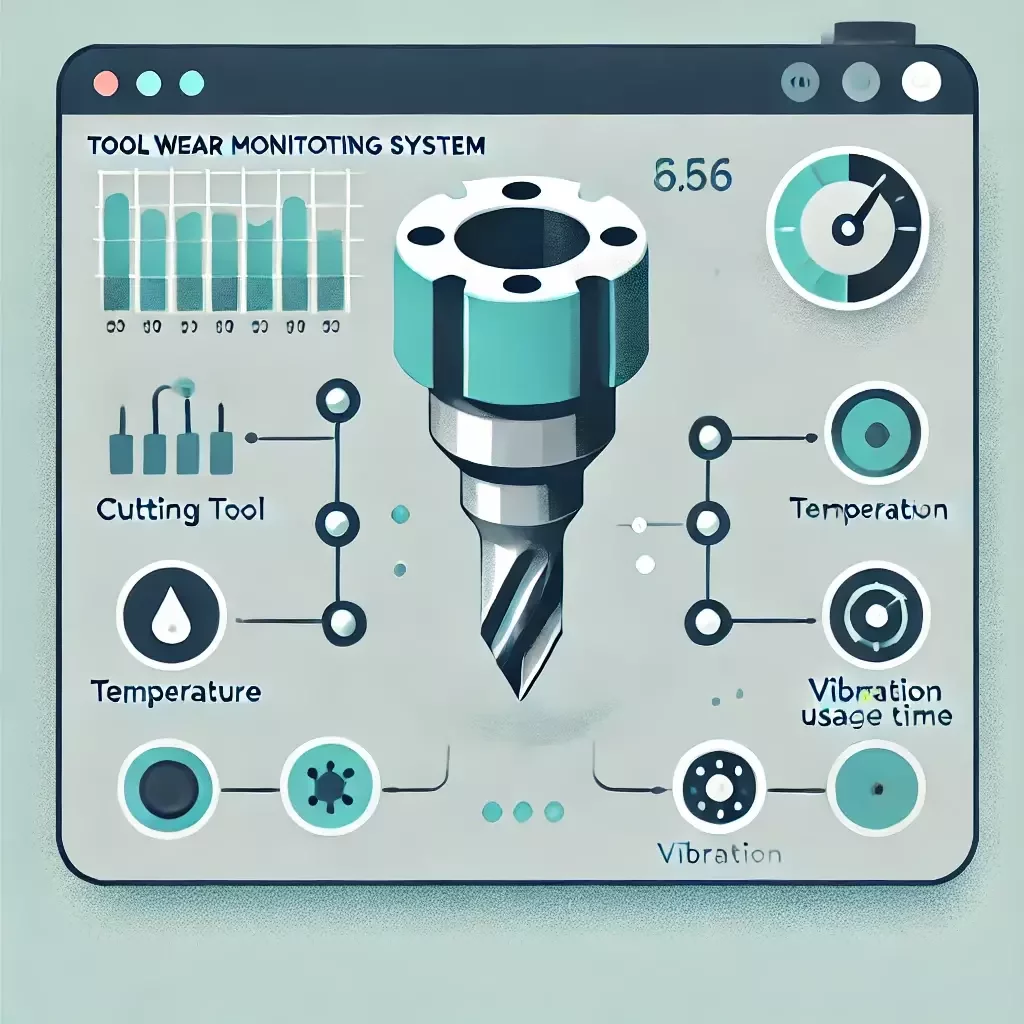
Tool Wear Monitoring System
Tool Wear Monitoring System
Design a Tool Wear Monitoring System to track tool conditions, detect wear, and boost manufacturing efficiency.
Lean Manufacturing Implementation
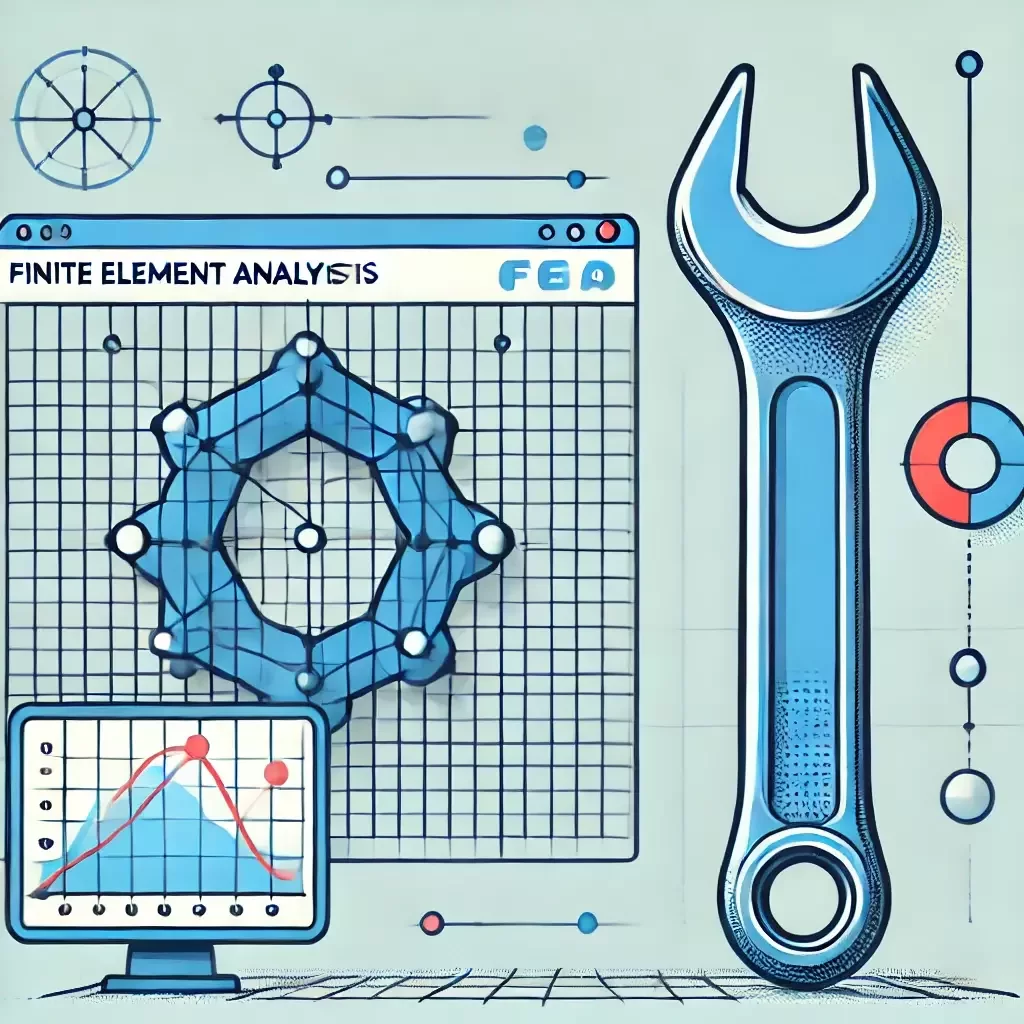
Finite Element Analysis (FEA) of Tools
Master Finite Element Analysis (FEA) to test tool strength and stress under real-world conditions. Use software like ANSYS to enhance design accuracy and prevent tool failure.
Still Confused?

FAQs
♦What is Tool Engineering Technology?
Tool Engineering Technology focuses on designing, developing, and maintaining tools, jigs, fixtures, and dies used in manufacturing processes to produce high-precision components efficiently.
♦Why is Tool Engineering important in manufacturing?
It ensures accuracy, reduces production time, and minimizes material waste by creating tools that optimize manufacturing processes — leading to cost-effective and high-quality production.
♦What skills are needed for a career in Tool Engineering?
Key skills include CAD/CAM proficiency, knowledge of CNC programming, material science, and problem-solving abilities to design efficient tooling solutions.
♦What are some real-world applications of Tool Engineering?
Applications range from creating injection molds for plastic parts to designing jigs and fixtures for automotive assembly lines and optimizing tool paths in CNC machining.